 By Saksham Arora
 When the first factory shutters rise in north-west Delhi, Bawana begins moving long before the city’s office districts wake up. Trucks enter through broad sector roads, workers arrive by buses and shared vehicles, and production lines start running inside thousands of industrial plots.
This large manufacturing landscape is commonly called DSIIDC Industrial Area, although its more precise name is Bawana Industrial Area. Developed as a planned destination for industries shifted from unsuitable residential locations, it has become one of Delhi’s most important industrial clusters. Its appeal does not come from polished corporate towers. It comes from practical factory space, organised plots, a strong supplier network and access to Delhi as well as neighbouring Haryana.
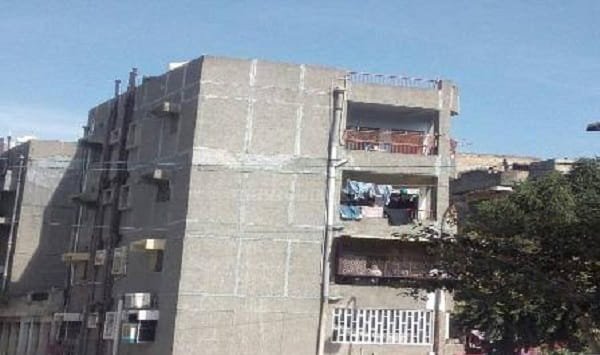
DSIIDC Industrial Area Overview
| Particular | Details |
| Location | Bawana, north-west Delhi |
| Developing agency | Delhi State Industrial and Infrastructure Development Corporation |
| PIN code | 110039 |
| Approximate planned area | Around 1,922 acres |
| Layout | Five sectors divided into pockets and plots |
| Number of planned plots | Approximately 16,300 |
| Main approach roads | Bawana Road, Auchandi Road and Kanjhawala–Bawana Road |
| Practical metro access | Rithala and Samaypur Badli, followed by road transport |
| Common industries | Plastics, packaging, printing, cables, metalwork, paper goods and engineering |
| Suitable for | Manufacturing units, workshops, warehouses, suppliers and MSMEs |
Where Is DSIIDC Industrial Area Located?
DSIIDC Industrial Area is located at Bawana in the north-western part of Delhi. It lies beyond Rohini and Shahbad Daulatpur, with Pooth Khurd, Narela, Kanjhawala, Auchandi and several villages near the Delhi–Haryana border in its wider surroundings.
The development of Bawana Industrial Area was entrusted to DSIIDC in 1999. It was planned mainly to accommodate industries relocated from non-conforming parts of Delhi. Official project documents describe an estate covering around 1,922 acres, with five sectors and approximately 16,300 industrial plots.
The estate is divided into sectors, pockets and individually numbered plots. Therefore, “DSIIDC Bawana Industrial Area” is not enough as a complete address. Visitors should also note the sector, pocket, plot number and nearby landmark.
Connectivity
1. Road Connectivity
Road transport is the main strength of DSIIDC Industrial Area. Bawana Road connects the estate with Shahbad Daulatpur, Rohini and other developed parts of north-west Delhi. Kanjhawala–Bawana Road provides access towards Kanjhawala and western Delhi, while Auchandi Road serves industrial pockets closer to the Haryana border.
Roads towards Narela and Alipur help commercial vehicles reach the NH-44 corridor. This supports the movement of goods towards north Delhi, Sonipat, Panipat, Haryana, Punjab and other northern markets.
Travel time can vary considerably. Truck movement, employee shift changes and congestion near local junctions can slow traffic, particularly during morning and evening working hours.
2. Metro Connectivity
There is currently no operational Delhi Metro station inside Bawana Industrial Area. Two commonly used access points are:
- Rithala Metro Station on the Red Line
- Samaypur Badli Metro Station on the Yellow Line
Passengers must continue from these stations by bus, taxi, shared auto or company transport. The Delhi Metro network presently ends at Rithala on the Red Line and Samaypur Badli on the Yellow Line.
The final road journey can be lengthy, depending on the industrial sector. Companies employing a large workforce often arrange pickup vehicles from major metro stations or bus stops.
3. Bus and Local Transport
Bawana has an established DTC bus network and its own bus-depot facilities. Routes connect the locality with Narela, Peera Garhi, Inderlok, Najafgarh and several other parts of Delhi. Shared autos, e-rickshaws and private vans are also used for last-mile travel.
Public transport is easier to find along the main roads. Employees working in plots located deep inside industrial pockets may require additional local transport. Employer-arranged vehicles are particularly useful for late-evening and night shifts.
4. Railway and Airport Access
Holambi Kalan and Khera Kalan are among the nearby railway points. They may be useful for workers travelling through the suburban rail network, although most industrial goods are transported by road.
Indira Gandhi International Airport is not close to the estate. Airport-bound vehicles normally travel through Rohini and western Delhi. Companies handling air cargo should keep sufficient time for traffic and loading procedures.
Facilities in DSIIDC Industrial Area
1. Planned Industrial Plots
The sector-and-pocket system gives the estate a more organised layout than many unplanned manufacturing clusters. Different plot sizes support small workshops, medium-sized factories and larger production operations.
Industrial buildings are used for manufacturing, assembly, packaging, printing, storage and related business activities. Some properties also include separate loading areas, offices and worker facilities.
2. Roads, Drainage and Street Lighting
The industrial estate was planned with internal roads, drainage systems, street lighting, water management, solid-waste services and horticultural areas. Public planning documents also describe the use of a public-private arrangement for infrastructure maintenance and routine services in Bawana.
Infrastructure conditions may differ between sectors. Main roads generally offer easier commercial-vehicle access, while heavily occupied pockets may face tighter parking and loading conditions.
3. Water and Electricity
The Bawana industrial complex was developed with a dedicated water-supply arrangement and electrical infrastructure. Its layout includes electric substations, utility areas, green spaces and public-use facilities.
Factories with heavy machinery should verify their sanctioned electricity load and backup requirements. Water availability must also be examined according to the production process, workforce size and cleaning needs.
4. Environmental and Waste Facilities
Manufacturing units producing emissions, trade effluent, plastic waste or hazardous waste may require consent or authorisation from the Delhi Pollution Control Committee.
The type of approval depends on the manufacturing process, fuel used, production capacity and waste generated. A unit located in an approved industrial estate does not automatically receive permission for every type of industrial activity.
5. Daily-Use and Worker Facilities
Small restaurants, tea stalls, repair workshops, transporters, packaging suppliers and general stores operate throughout the industrial belt. Banks, ATMs, fuel stations and medical facilities are available in Bawana and nearby localities.
Bawana village, Pooth Khurd, Narela, Shahbad Daulatpur and Rohini provide wider residential, healthcare, educational and retail facilities. Workers employed in the estate commonly live in these surrounding areas.
Major Industries in DSIIDC Bawana
Bawana Industrial Area accommodates a broad range of small and medium manufacturing businesses. Plastics and polymer processing have a strong presence, but the estate is not limited to one industry.
Other activities include electrical cables, lighting products, printing, paper goods, packaging materials, metal fabrication, pharmaceutical products, machinery components, containers and recycling-related operations. Public company and pollution-control records show businesses from several of these sectors using DSIIDC Bawana addresses.
Company List in DSIIDC Industrial Area
The following is a representative list of companies registered or publicly listed at Bawana Industrial Area. Current operating status should be confirmed before visiting.
| Company | Business Segment |
| Rex Containers Private Limited | Containers and paper-based products |
| Shubh Weld House Private Limited | Welding and industrial equipment |
| Sri Hanumant Printers Private Limited | Commercial printing |
| Sunita Paper Products Private Limited | Paper-based products |
| Manidhari Cables Private Limited | Electrical wires and cables |
| JMD Pet Products Private Limited | PET and plastic products |
| Aniston Lighting Private Limited | Lighting equipment |
| Esskay Wire & Cable Private Limited | Wire and cable products |
| Zalta Packaging Private Limited | Industrial packaging |
| Emsons Products Private Limited | Metal and engineering products |
These businesses appear in public company-address or pollution-control records associated with Bawana Industrial Area.
Why Businesses Choose DSIIDC Bawana
The biggest advantage of DSIIDC Bawana is its scale. Businesses can operate from a recognised industrial address while remaining within Delhi. The concentration of manufacturers also creates a strong network of suppliers, fabricators, transporters, machinery-repair services and labour contractors.
The estate is particularly suitable for MSMEs that need production space rather than a premium corporate office. Its major limitations are its distance from central Delhi and the lack of direct metro connectivity. However, for manufacturing and road-based distribution, Bawana continues to hold an important position in Delhi’s industrial economy.
Frequently Asked Questions
Q1. Why do some addresses use DSIDC instead of DSIIDC?
A: DSIDC is an older abbreviation that continues to appear on property documents, signboards and company addresses. DSIIDC is the current name of the Delhi State Industrial and Infrastructure Development Corporation. Both names may refer to the same industrial estate.
Q2. How is a Bawana industrial address written?
A: A complete address normally includes the plot number, pocket, sector, DSIIDC Bawana Industrial Area, Delhi and PIN code 110039. The sector number is essential because similar pocket letters may appear in different sectors.
Q3. Can food or pharmaceutical products be manufactured here?
A: Such units can operate only after obtaining the required land-use, building, pollution, safety and industry-specific approvals. Food units may require FSSAI licensing, while pharmaceutical manufacturing can require permissions from the relevant drug-control authority.
Q4. Can workers stay inside an industrial plot?
A: Industrial plots are intended primarily for approved industrial activities. Normal residential use may not be permitted. Most employees stay in nearby localities and commute to their workplaces.
Q5. Who issues pollution-related permissions to factories?
A: The Delhi Pollution Control Committee handles relevant consent and authorisation requirements. The permissions needed depend on the industry category, production process, waste generation, emissions and wastewater discharge.