 By Saksham Arora
 Faridabad wakes to the rhythm of manufacturing. Factory buses enter numbered industrial sectors, presses begin shaping automobile parts, and trucks carrying machinery, tyres and electrical components move towards Delhi and other NCR markets. From older workshops near NIT and Mujesar to modern factories around IMT Faridabad, industry remains part of the city’s identity.
Faridabad Industrial Area is not one compact estate with a single entrance. The term covers several manufacturing pockets, including the old industrial sectors, DLF Industrial Area, Mujesar, Ballabhgarh, Sector 24, Sector 25, Sectors 58–59 and the newer industrial sectors in Greater Faridabad. The city is especially known for automobiles, tractors, engineering equipment, electrical goods, footwear, tyres and component manufacturing.
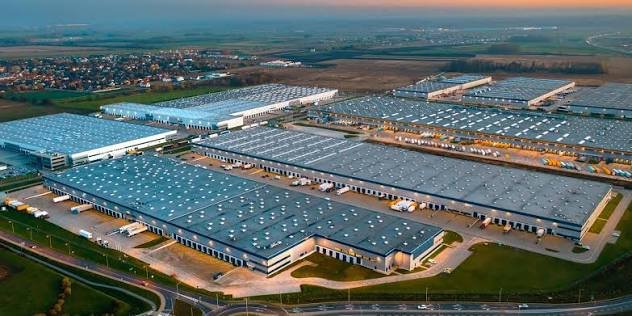
Faridabad Industrial Area Overview
| Particular | Details |
| Location | Faridabad district, Haryana |
| Area type | Multiple industrial estates and manufacturing clusters |
| Important sections | DLF Industrial Area, Mujesar, Ballabhgarh, Sectors 24–25, Sectors 58–59 and IMT Faridabad |
| Industrial authority | HSIIDC and other local authorities, depending on the estate |
| Main highway | NH-44 or Delhi–Mathura Road |
| Metro line | Delhi Metro Violet Line |
| Major railway stations | Faridabad, Faridabad New Town and Ballabhgarh |
| Nearest airport | Indira Gandhi International Airport, Delhi |
| Nearby cities | Delhi, Noida, Gurugram and Palwal |
| Major industries | Automobiles, engineering, electrical products, tyres, footwear and auto components |
| Suitable for | Large factories, MSMEs, workshops, warehouses and supplier units |
Where Is Faridabad Industrial Area Located?
Faridabad’s industrial belt extends along and around Delhi–Mathura Road, beginning near the Delhi border and continuing towards Ballabhgarh. Older industrial sections are located around DLF, NIT, Sector 24, Sector 25 and Mujesar, while additional factories operate around Ballabhgarh and the eastern industrial sectors.
The newer Greater Faridabad side includes industrial sectors from Sector 66 to Sector 74. Since the manufacturing belt covers a large part of the city, a complete address must include the sector, plot number and nearest landmark. Two factories carrying a Faridabad industrial address may be many kilometres apart.
Connectivity
1. Road Connectivity
NH-44 is the main road serving Faridabad. It connects the industrial city with Delhi towards the north and Ballabhgarh, Palwal, Mathura and Agra towards the south.
The DND–KMP Expressway provides another important route between Delhi, Faridabad and the Delhi–Mumbai Expressway network. Roads towards Gurugram connect Faridabad with the Golf Course Road and Sohna-facing side of the NCR.
Industrial traffic can become slow around Badarpur Border, Bata Chowk, Ajronda, Escorts Mujesar and Ballabhgarh during peak hours. Factories receiving large trailers should check daytime restrictions, turning space and the complete approach route.
2. Metro Connectivity
Delhi Metro’s Violet Line runs through Faridabad and serves several important industrial locations. Useful stations include NHPC Chowk, Mewala Maharajpur, Sector 28, Old Faridabad, Bata Chowk, Escorts Mujesar, Sant Surdas–Sihi and Raja Nahar Singh.
NHPC Chowk directly serves the DLF Industrial Area, while Bata Chowk and Escorts Mujesar are useful for central and southern industrial sections. Raja Nahar Singh provides access to Ballabhgarh.
3. Railway Connectivity
Faridabad Railway Station is useful for industries around Old Faridabad and central sectors. Faridabad New Town serves the Mujesar and NIT-facing side, while Ballabhgarh Railway Station is convenient for southern industrial areas.
These stations lie on the Delhi–Mathura railway corridor. Local trains support employee movement between Delhi, Faridabad, Ballabhgarh and Palwal.
4. Bus and Airport Connectivity
City buses, shared autos, e-rickshaws and company-operated transport connect residential areas with the major factory sectors. Public transport is generally easier to find on Mathura Road and the metro corridor than inside smaller industrial lanes.
Indira Gandhi International Airport is the nearest major airport. The journey is normally completed through Delhi-facing roads, and travel time can vary greatly during busy hours.
Facilities in Faridabad Industrial Area
1. Factory and Warehouse Space
Faridabad offers independent industrial plots, older factory buildings, modern production facilities, workshops and warehouses. Properties range from compact MSME units to large manufacturing campuses.
Older estates provide access to established suppliers and skilled workers, while IMT and outer industrial sectors may offer wider roads and more space for expansion.
2. Power, Water and Infrastructure
Industrial electricity connections are available throughout the recognised estates, but sanctioned load differs by plot. Businesses using presses, furnaces, compressors or automated lines should verify transformer capacity and backup power before starting operations.
Water supply, drainage, loading space and road condition must also be inspected individually. Factories using water for processing or cooling may need approved storage and treatment systems.
3. Engineering and Supplier Network
Faridabad has one of North India’s strongest automobile-component and engineering ecosystems. Thousands of smaller units support larger manufacturers by supplying castings, forgings, machined parts, electrical components, rubber products and fabricated assemblies.
4. Environmental and Fire Safety
Industries producing emissions, chemical waste, wastewater or hazardous material must obtain the permissions required for their activity. Recent enforcement and pollution studies have highlighted industrial emissions and unauthorised units as important concerns in Faridabad.
Factories storing lubricants, chemicals, plastics or combustible goods should maintain approved fire exits, extinguishers, hydrants and safe storage systems.
Major Industries in Faridabad
The city’s main industrial activities include:
- Tractors and agricultural equipment
- Construction machinery
- Motorcycles and automobile components
- Electrical equipment and switchgear
- Tyres, footwear and rubber products
- Refrigerators and consumer appliances
- Metal fabrication and precision engineering
- Printing, packaging and machinery
- Warehousing and NCR distribution
Company List in Faridabad Industrial Area
| Company | Main Business |
| Escorts Kubota Limited | Tractors, construction machinery and railway equipment |
| JCB India Limited | Construction and earthmoving equipment |
| India Yamaha Motor | Motorcycles and two-wheelers |
| Havells India Limited | Electrical and consumer products |
| Goodyear India | Tyres and rubber products |
| Indian Oil R&D Centre | Energy and fuel research |
| TPH Orient Group | Printing and packaging machinery |
| Local auto-component companies | Castings, forgings, machining and assemblies |
Escorts Kubota has its headquarters and long-established manufacturing base in Faridabad. JCB operates a major Ballabhgarh plant, while Yamaha is also associated with vehicle manufacturing in the city.
The list is representative. Current factory operations, addresses and visitor access should be confirmed directly.
Why Businesses Choose Faridabad
Faridabad combines proximity to Delhi with a mature engineering workforce and supplier network. NH-44, the Violet Line and suburban railway services support employee and customer movement.
The presence of established original-equipment manufacturers creates opportunities for component suppliers, repair companies, packaging units and logistics operators. Businesses can also choose between older city-based estates and larger industrial plots towards Ballabhgarh and Greater Faridabad.
Frequently Asked Questions
Q1. Is Faridabad Industrial Area one single estate?
A: No. It includes several separate industrial sectors and estates spread from the Delhi border to Ballabhgarh and Greater Faridabad.
Q2. What is the difference between old Faridabad industrial sectors and IMT Faridabad?
A: Older areas have a mature supplier network but may face congestion and limited expansion space. Newer industrial sectors generally provide larger plots and more planned layouts, though connectivity varies by location.
Q3. Can an industrial plot be used for any type of factory?
A: No. The proposed activity must comply with the allotment conditions, approved land use, pollution category, building rules and fire-safety requirements.
Q4. What should be checked before leasing a factory?
A: Verify ownership or lease documents, sanctioned power load, fire approvals, pollution consent, truck access, drainage and any unpaid authority or utility dues.
Q5. Is every factory close to a metro station?
A: No. Metro access is strong along NH-44, but factories in interior or outer sectors may require an additional journey by bus, auto or company transport.