 By Saksham Arora
 As Varanasi begins its morning rituals along the Ganga, Ramnagar starts another kind of activity. Factory gates open, trucks move between production units, and food-processing, packaging and engineering businesses prepare consignments for eastern Uttar Pradesh and neighbouring states.
Ramnagar Industrial Area is an established manufacturing belt on the Varanasi–Chandauli side of the region. It includes UPSIDA-developed industrial sections commonly identified as Ramnagar Phase 1 and Ramnagar Phase 2. Although businesses often use “Varanasi” in their addresses, Ramnagar Phase 2 is also officially associated with Chandauli district.
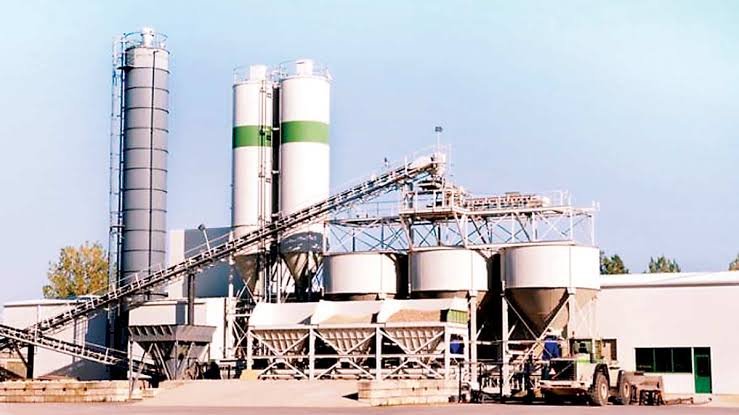
Ramnagar Industrial Area Overview
| Particular | Details |
| Location | Ramnagar–Chandauli side of Varanasi, Uttar Pradesh |
| Industrial authority | UPSIDA |
| Main sections | Ramnagar Phase 1 and Phase 2 |
| Common PIN code | 221008; exact code depends on the plot |
| Main road connectivity | Ramnagar Road, NH-19 and Varanasi Ring Road links |
| Nearest major railway hub | Pt. Deen Dayal Upadhyaya Junction |
| Other railway option | Varanasi Junction |
| Nearest airport | Lal Bahadur Shastri International Airport |
| Waterway facility | Varanasi Multi-Modal Terminal at Ramnagar |
| Major industries | Food processing, packaging, engineering and consumer products |
| Suitable for | MSMEs, factories, warehouses and logistics businesses |
Where Is Ramnagar Industrial Area Located?
Ramnagar lies across the Ganga from central Varanasi and extends towards the Chandauli border. The industrial estate is positioned away from the historic city’s most congested neighbourhoods while remaining connected with Varanasi’s commercial market and workforce.
Industrial addresses may mention Ramnagar Industrial Area, Phase 1, Phase 2, Chandauli or Varanasi. Visitors should confirm the phase, plot number and company gate before travelling because the industrial estate and Ramnagar town cover a wide area. Ramnagar’s common postal code is 221008.
Connectivity
1. Road Connectivity
Ramnagar has road access towards Varanasi city, Chandauli, Mirzapur and Pt. Deen Dayal Upadhyaya Nagar. Connections with NH-19 support commercial movement towards Prayagraj, Bihar, Jharkhand and West Bengal.
Roads through Tengra Mor and the Varanasi–Chandauli corridor provide access to industrial plots. The region also benefits from connections towards the Varanasi Ring Road and major national highways.
A ₹63.73 crore infrastructure programme was approved for Ramnagar Industrial Area, covering cement-concrete roads, drains, footpaths and landscaping in Phase 1 and Phase 2. The programme also included a road connection between Patnawan and Sindhitali.
Businesses using containers or long trailers should inspect the final internal road, turning space and loading arrangements. Infrastructure quality may differ between older plots and recently improved sections.
2. Railway Connectivity
Pt. Deen Dayal Upadhyaya Junction is the most important railway hub near the industrial belt. It lies on the Delhi–Howrah corridor and offers extensive passenger and freight connectivity.
Varanasi Junction is another major option for employees and business visitors. The practical choice depends on the factory’s location and the traveller’s route.
A proposed 5.1-km railway connection is planned to link the developing freight village and multi-modal logistics facilities with the New Delhi–Howrah railway corridor. This link forms part of a larger logistics project and should not yet be treated as available to every factory.
3. Bus and Local Transport
Buses, autos, e-rickshaws, taxis and company-operated vehicles connect Ramnagar with Lanka, BHU, Varanasi city and Pt. Deen Dayal Upadhyaya Nagar.
Public transport is easier to obtain along the main roads. Employees working late-night or rotating shifts may need factory transport for the final journey inside the industrial estate.
4. Airport Connectivity
Lal Bahadur Shastri International Airport is the nearest airport. It serves domestic routes and selected international destinations, but reaching it requires travelling through or around Varanasi.
The airport is mainly useful for executives and business visitors. Industrial goods are more commonly transported by road, rail or inland waterway.
5. Inland Waterway Connectivity
Ramnagar has a major logistics advantage through the Varanasi Multi-Modal Terminal on National Waterway 1. The terminal opened in 2018 and has an estimated cargo-handling capacity of around 1.2 million tonnes per year. It links the region with the Kolkata–Haldia side through the Ganga waterway.
A 100-acre multi-modal logistics park is also being developed on the Varanasi–Chandauli border. The project is planned to integrate road, rail and inland-water transport.
Facilities in Ramnagar Industrial Area
1. Industrial Plots and Factory Space
The estate contains independent industrial plots, manufacturing sheds, workshops and warehouses. Both established units and new investors can find premises suitable for small and medium manufacturing.
UPSIDA continued allotting industrial land in Ramnagar Phase 2 during 2025, showing ongoing investor interest in the estate.
2. Power and Water
Industrial electricity connections are available, but sanctioned load must be checked for each plot. The infrastructure-upgrade programme included a proposal for a 33/11 kV electricity substation in Phase 1.
Businesses should also verify water allocation, storage tanks and drainage. Food-processing and chemical-related units may require separate process-water and wastewater arrangements.
3. Roads, Drainage and Sewage
Road and drainage improvement is a major part of the current redevelopment programme. New drains and concrete roads are intended to reduce waterlogging and improve heavy-vehicle access.
Ramnagar has also been included in wider municipal water and sewer projects. Approved plans include about 93 km of water pipelines and 80 km of sewer lines for the Ramnagar area, although execution will occur in stages.
4. Warehousing and Logistics
The location is suitable for agricultural goods, packaged foods, industrial materials and regional distribution. Its combination of road, railway and inland-water connectivity may become particularly valuable for companies serving eastern India.
A ₹300 crore ship-repair facility at Ramnagar and a ₹200 crore freight village in neighbouring Chandauli were launched as major logistics-support projects in 2025.
Major Industries
Ramnagar and the surrounding Varanasi manufacturing belt support:
- Agricultural and food-product processing
- Flour, rice, spices and packaged foods
- Paper, cartons and industrial packaging
- Plastic and household products
- Metal fabrication and engineering
- Furniture and wood products
- Warehousing and regional distribution
- River-port and logistics services
Varanasi and neighbouring Ramnagar are particularly associated with agricultural and food-product industries.
Company and Project List
A regularly updated public directory of every operating factory is not available. The following table presents major confirmed organisations, projects and common industrial categories:
| Organisation, Project or Unit | Main Activity |
| UPSIDA Ramnagar Phases 1 and 2 | Industrial plots and estate infrastructure |
| IWAI Multi-Modal Terminal | Inland cargo and river transport |
| Multi-Modal Logistics Park project | Integrated road, rail and waterway logistics |
| Ramnagar ship-repair facility | Vessel maintenance and river-logistics support |
| Food-processing units | Grains, spices and packaged agricultural products |
| Packaging manufacturers | Cartons, containers and industrial packaging |
| Engineering workshops | Fabrication, machining and equipment maintenance |
| Warehouse operators | Storage and regional distribution |
The company or project status should be verified directly before visiting, investing or applying for employment.
Why Businesses Choose Ramnagar Industrial Area
Ramnagar provides access to Varanasi’s large consumer market without placing factories inside the city’s most congested core. It is also positioned close to Pt. Deen Dayal Upadhyaya Junction and the eastern freight corridor.
The Multi-Modal Terminal, planned logistics park and ship-repair facility strengthen its long-term potential. Its main challenges are uneven infrastructure between phases, employee last-mile transport and the need to verify utility capacity for each plot.
Frequently Asked Questions
Q1. Why do some Ramnagar industrial addresses mention Chandauli instead of Varanasi?
A: The industrial belt lies close to the Varanasi–Chandauli boundary. Ramnagar Phase 2 is officially associated with Chandauli in UPSIDA allotment records, while businesses may use Varanasi as the better-known regional address.
Q2. Can an industrial plot automatically use the nearby river terminal?
A: No. Cargo handling requires commercial arrangements with the terminal operator, suitable goods, approved transport documentation and last-mile movement between the factory and terminal.
Q3. What should be checked before leasing an older factory?
A: Inspect the sanctioned power load, building approval, roof and floor condition, fire access, drainage, pollution consent and any outstanding UPSIDA or utility dues.
Q4. Does the proposed railway link provide direct siding access to every unit?
A: No. The railway connection is planned for the freight and logistics facilities. A factory would need separate technical approval and infrastructure for a private siding.
Q5. Is Ramnagar suitable for food-processing businesses?
A: Yes, but the property must have suitable water, drainage, hygienic production space, pest-control arrangements and approvals for food safety, fire protection and pollution management.