 By Saksham Arora
 As the working day begins in north-west Delhi, Mangolpuri Industrial Area Phase 1 quickly fills with factory workers, delivery vans and small goods vehicles. Machines start running inside multi-storey industrial buildings, packaging units prepare consignments, and workshops dispatch electrical parts, plastic products and fabricated components across Delhi-NCR.
Mangolpuri Industrial Area Phase 1 is an established urban manufacturing cluster near Mangolpuri, Peera Garhi and Udyog Nagar. It mainly supports MSMEs, workshops, printing units, packaging businesses, engineering operations and compact warehouses. Its access to Rohtak Road, Outer Ring Road and the Delhi Metro Green Line is its biggest advantage.
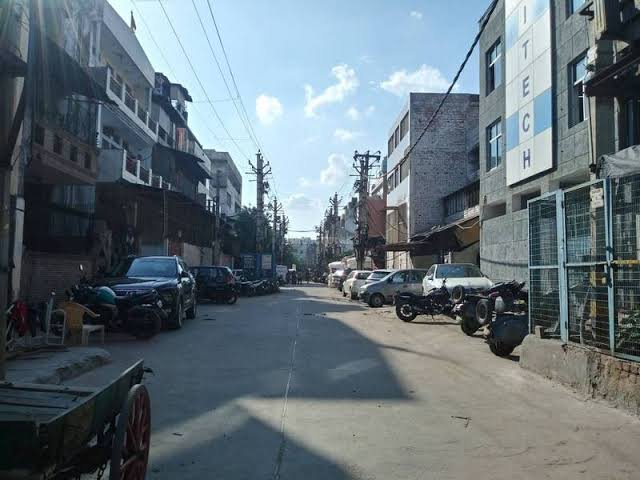
Mangolpuri Industrial Area Phase 1, Delhi Overview
| Particular | Details |
| Location | Mangolpuri, north-west Delhi |
| Common PIN code | 110083; confirm the exact plot address |
| Main division | Mangolpuri Industrial Area Phase 1 |
| Main approach roads | Rohtak Road and Outer Ring Road |
| Nearest practical metro | Udyog Nagar Metro Station |
| Other useful metro | Peera Garhi Metro Station |
| Metro line | Delhi Metro Green Line |
| Nearby railway option | Mangolpuri Railway Station |
| Nearby localities | Mangolpuri, Sultanpuri, Peera Garhi, Udyog Nagar and Paschim Vihar |
| Common industries | Engineering, plastics, packaging, printing and electrical goods |
| Best suited for | MSMEs, workshops, city warehouses and Delhi-NCR distribution |
Phase 1 is not operated through one common factory gate. Industrial properties are spread across several roads and numbered plots. Visitors should obtain the phase, plot number, company name and nearest landmark before travelling.
Where Is Mangolpuri Industrial Area Phase 1 Located?
Mangolpuri Industrial Area Phase 1 is located near the Mangolpuri residential colony in north-west Delhi. It lies close to Rohtak Road, with Peera Garhi and Udyog Nagar on the southern side and Sultanpuri towards the north.
The wider Mangolpuri industrial belt contains more than one phase and several adjoining commercial pockets. A business address should therefore clearly mention “Phase 1” to avoid reaching another section of the estate.
The area is surrounded by dense residential neighbourhoods. This gives businesses access to workers, public transport and daily services, but it also creates pressure on roads, parking and loading areas.
Connectivity
1. Metro Connectivity
Udyog Nagar Metro Station on the Green Line is one of the most practical stations for Phase 1. The station is located on Main Rohtak Road near Mangolpuri Railway Station. Its Gate 2 serves the Udyog Nagar Industrial Area, Mangolpuri and the Nangloi bus-depot side.
Peera Garhi Metro Station may be more convenient for factories closer to Outer Ring Road or the eastern side of the estate. Employees should select the station according to the factory gate rather than the general industrial-area name.
The Green Line connects the area with Nangloi, Mundka, Punjabi Bagh and Inderlok. Passengers can use interchange connections for travel towards central, northern and southern Delhi.
The final journey from the metro generally requires an e-rickshaw, auto-rickshaw, bus or short walk. Companies operating early-morning or late-night shifts may need organised pickup services.
2. Road Connectivity
Rohtak Road is the main east-west corridor serving the industrial area. It connects Mangolpuri with Nangloi, Mundka and Bahadurgarh in one direction and Punjabi Bagh, central Delhi and Ring Road in the other.
Outer Ring Road provides access towards Paschim Vihar, Pitampura, Rohini, Haiderpur, Vikaspuri and other major Delhi localities. The location is useful for businesses delivering products across western and north-western Delhi.
Traffic may become heavy around Peera Garhi, Mangolpuri, Punjabi Bagh and major Outer Ring Road junctions. Internal lanes can also be affected by parked vehicles and temporary loading activity.
Delhi’s industrial-road redevelopment programme has placed Mangolpuri in the final phase planned for the 2027–28 financial year. The programme focuses on stronger roads capable of handling regular industrial and heavy-vehicle movement. Until work is completed, businesses should inspect the present condition of the relevant internal road.
3. Railway and Bus Connectivity
Mangolpuri Railway Station is located close to the Udyog Nagar Metro area. It can be useful for selected suburban and passenger services, although train frequency may not suit every factory shift.
DTC buses operate throughout Mangolpuri, Peera Garhi, Sultanpuri and Rohini. Autos and e-rickshaws are widely available on the main roads.
New Delhi and Delhi Sarai Rohilla are the larger railway terminals for long-distance passengers. Both require additional road or metro travel from the industrial area.
Facilities in Mangolpuri Industrial Area Phase 1
1. Factory and Workshop Space
Phase 1 contains independent industrial buildings, ground-floor factories, multi-storey production units, workshops and compact warehouses. Many properties are suitable for small and medium businesses rather than large manufacturing campuses.
Common activities include:
- Electrical products and components
- Metal fabrication and machining
- Plastic and moulded goods
- Printing and product labels
- Cartons and packaging materials
- Automobile accessories and spare parts
- Furniture and interior products
- Machinery repair and maintenance
- Consumer-goods storage and distribution
Multi-storey industrial buildings can provide lower-cost production or storage space, but businesses should check whether heavy goods and machinery can safely reach upper floors.
2. Warehousing and Distribution
Mangolpuri can support compact warehouses serving West Delhi, Rohini, Pitampura, Punjabi Bagh and nearby markets.
It is particularly useful for packaged goods, electrical supplies, spare parts, printed products and local wholesale distribution. However, it may not suit logistics companies requiring extensive trailer yards, container parking or very high warehouse ceilings.
Businesses should inspect loading hours, truck access and the availability of private waiting space. A building advertised as a warehouse may still be difficult to operate if vehicles must stop on a narrow public road.
3. Business Support Services
The surrounding area offers transporters, labour contractors, machine-repair workshops, printers, fabricators and raw-material suppliers.
Banks, ATMs, fuel stations, restaurants, pharmacies and everyday shops are available around Mangolpuri, Peera Garhi and Paschim Vihar. Larger hospitals, hotels and organised commercial services can be found towards Rohini and Punjabi Bagh.
4. Power, Water and Building Conditions
Electricity, water, drainage and telecom connections are available in the established estate, but capacity differs between individual properties.
Before finalising a unit, a business should inspect:
- Sanctioned industrial power load
- Transformer and backup arrangements
- Floor strength and ceiling height
- Goods-lift capacity
- Fire exits and emergency access
- Ventilation and heat control
- Loading and vehicle-parking space
- Drainage around the factory entrance
Older buildings may have been divided among several tenants. Shared staircases, electrical systems and entry gates should be checked carefully before machinery or combustible materials are installed.
Company and Business Profile in Phase 1
There is no reliable public directory that remains continuously updated for every company in Mangolpuri Industrial Area Phase 1. Many premises are rented, and business occupants can change over time. A category-based profile is therefore more dependable.
| Business Category | Typical Operations |
| Engineering units | Fabrication, machining and machinery components |
| Plastic manufacturers | Moulded products, containers and industrial parts |
| Electrical businesses | Panels, switches, wiring products and components |
| Printing units | Labels, brochures and commercial printing |
| Packaging companies | Cartons, boxes, pouches and packing materials |
| Auto-parts businesses | Accessories, fittings and replacement components |
| Furniture workshops | Custom furniture and interior products |
| Warehouse operators | Compact storage and Delhi distribution |
Visitors should confirm the current company name, plot number and contact person before travelling. A business may operate from one floor of a larger industrial building rather than occupying the complete property.
Why Businesses Choose Mangolpuri Industrial Area Phase 1
The strongest advantage of Phase 1 is its urban location. Businesses can reach customers, suppliers and workers across north-west and western Delhi without operating from a distant industrial township.
Rohtak Road, Outer Ring Road and the Green Line support regional movement. The nearby residential population also provides labour, rental accommodation and daily business services.
The main limitations are congestion, limited truck waiting space and varying building quality. The exact property and its approach road are therefore more important than the industrial-area name alone.
Frequently Asked Questions
Q1. How can a visitor distinguish Phase 1 from other Mangolpuri industrial sections?
A: The complete address should mention Phase 1, the plot number and a nearby landmark. A live location or factory-gate photograph can also prevent delivery vehicles from reaching the wrong phase.
Q2. Which metro station is better: Udyog Nagar or Peera Garhi?
A: Udyog Nagar is convenient for units towards Rohtak Road and the railway-station side. Peera Garhi may be better for properties closer to Outer Ring Road. The actual factory entrance should determine the choice.
Q3. Is Phase 1 suitable for supplying Rohini and West Delhi?
A: Yes. Outer Ring Road and Rohtak Road provide useful access towards Rohini, Pitampura, Paschim Vihar and Punjabi Bagh. Delivery schedules should avoid the busiest traffic periods where possible.
Q4. Where can factory workers find nearby accommodation?
A: Mangolpuri, Sultanpuri and Nangloi may offer more affordable rental options. Paschim Vihar and Rohini provide better organised residential facilities but usually involve higher rents.
Q5. What is the biggest risk when renting a multi-storey industrial building?
A: Goods movement is often the main issue. The tenant should verify the lift capacity, staircase width, floor strength, fire escape and whether heavy machinery can be installed or removed safely.