 By Saksham Arora
 The working day in Davanagere begins with rice and grain consignments reaching processing units, engineering workshops starting their machinery and goods vehicles moving between factories and the Bengaluru–Pune highway. Its central position in Karnataka has allowed the city to serve both agricultural markets and regional manufacturing businesses.
Davanagere Industrial Area is a broad term covering manufacturing estates around the city, especially Lokikere Industrial Area and Karur Industrial Area. Lokikere contains developments created by both KIADB and KSSIDC, while Karur accommodates a larger collection of electrical, engineering, garment and allied units. Davanagere’s traditional textile identity has gradually expanded into food processing, fabrication, pipes, furniture and industrial distribution.
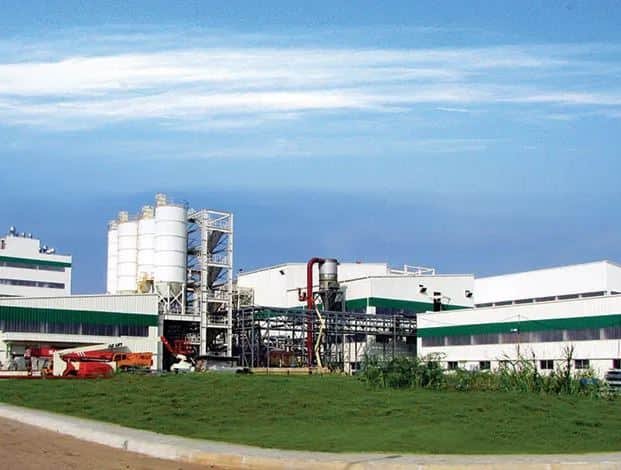
Davanagere Industrial Area Overview
| Particular | Details |
| Location | Davanagere, central Karnataka |
| Major industrial estates | Lokikere and Karur |
| Industrial agencies | KIADB, KSSIDC and Davanagere City Corporation |
| Common PIN codes | 577002 and nearby Davanagere postal zones |
| Main highway | NH-48 or Pune–Bengaluru Highway |
| Nearest major railway station | Davanagere Railway Station |
| Direct metro service | Not available |
| Nearest operational airport | Shivamogga Airport; schedules must be checked |
| Major industries | Food processing, textiles, engineering, pipes and garments |
| Suitable for | MSMEs, warehouses, agro-industries and fabrication units |
Where Is Davanagere Industrial Area Located?
Lokikere Industrial Area lies near Lokikere village on the outer side of Davanagere city. The locality commonly uses PIN code 577002 and contains both KIADB-developed land and a smaller KSSIDC industrial estate. KIADB acquired more than 100 acres in the Lokikere area, while the KSSIDC estate covers around 19 acres and supports approximately 48 units.
Karur Industrial Area is another important manufacturing zone within the wider Davanagere urban region. It extends across approximately 102 acres and accommodates more than 200 businesses, particularly in engineering, electrical equipment and garment-related activities.
Factory addresses may mention Lokikere, Karur, Davanagere Industrial Estate or a nearby village. Visitors should obtain the complete plot number, estate name and factory gate because these industrial areas are not located at one common entrance.
Connectivity
1. Road Connectivity
NH-48 is the principal long-distance road serving Davanagere. It connects the city with Bengaluru and Tumakuru towards the south and with Harihar, Haveri, Hubballi, Belagavi and Pune towards the north. The highway forms part of the larger Delhi–Mumbai–Pune–Bengaluru–Chennai corridor.
Local roads connect the industrial estates with Davanagere city, Lokikere, Karur and the highway. NH-173 also terminates near Anagodu in Davanagere district and provides a regional connection towards Chitradurga and Chikkamagaluru districts.
Businesses should inspect the final approach to an industrial plot separately. Some stretches have damaged surfaces, incomplete drainage or limited space for heavy vehicles. The NH-48 section between Davanagere and Harihar has also faced service-road and underpass delays, which can affect local freight movement.
2. Railway Connectivity
Davanagere Railway Station is the main railway facility serving the city. It lies on the Bengaluru–Arsikere–Hubballi route and is operated by South Western Railway. The electrified station connects Davanagere with Bengaluru, Hubballi, Mysuru and several long-distance destinations.
A new Davanagere–Chitradurga railway line is under development. Authorities have targeted completion of the Davanagere–Chitradurga section during 2027, so it should be considered future infrastructure rather than an existing industrial connection.
Factories normally transport raw materials and finished goods by road. Proximity to a passenger railway station does not give an industrial unit automatic freight-loading or private-siding access.
3. Bus and Local Transport
KSRTC buses connect Davanagere with Bengaluru, Hubballi, Shivamogga, Chitradurga, Ballari and other Karnataka cities. City buses, autos and private vehicles serve the main urban areas.
Public transport inside industrial roads may be limited, particularly for night shifts. Larger factories may need employee buses or organised pickup points.
4. Airport Connectivity
Davanagere does not have a regular commercial airport inside the city. Shivamogga Airport is the nearest operational regional airport, although flight availability has changed and passengers should check the latest schedule before travelling.
Kempegowda International Airport in Bengaluru provides the widest domestic and international connectivity. A direct Flybus service between Bengaluru Airport and Davanagere was introduced with two daily services in each direction, using the outer Bengaluru road network.
Facilities in Davanagere Industrial Area
1. Industrial Plots and Factory Sheds
Lokikere and Karur contain independent plots, small factory sheds, workshops and storage premises. These areas mainly support MSMEs rather than large automobile or aerospace campuses.
The older KSSIDC estate at Lokikere was developed in 1980 and later transferred to the city administration. Businesses should therefore verify which authority manages a particular plot and whether any municipal taxes, industrial dues or transfer conditions apply.
2. Power and Water
Industrial electricity is available, but the sanctioned load differs from one premises to another. Pipe production, fabrication, electronic assembly and food processing may require upgraded connections, dedicated transformers or backup power.
Water availability requires particular attention. Industrial representatives reported that parts of Lokikere had water infrastructure but no dependable supply, leaving some units dependent on tankers. A tenant should confirm the actual source, storage capacity and daily availability rather than relying only on existing pipelines.
3. Roads, Drainage and Street Lighting
Infrastructure quality varies considerably. Lokikere businesses reported damaged internal roads, blocked drains, non-functional streetlights and vegetation affecting vehicle movement. Karur has comparatively stronger basic amenities, although certain internal roads and roadside sections have also required repair.
A site inspection should ideally be completed after rainfall. This helps identify waterlogging, damaged drains, low road levels and loading areas that may become difficult to use during the monsoon.
4. Warehousing and Agricultural Supply
Davanagere is an important agricultural trading centre for cotton, maize, rice, chickpeas, sunflower and other crops. This supports warehouses, rice mills, edible-oil businesses, packaging units and agricultural-equipment suppliers.
Warehouse operators should check fire systems, floor capacity, pest control, ventilation and truck-parking arrangements, especially when storing food grains or combustible packaging.
Major Industries
The main industrial activities in and around Davanagere include:
- Rice, grain and food processing
- Cotton, textiles and garments
- Pipes and construction products
- Electrical equipment
- Metal fabrication and engineering
- Furniture manufacturing
- Agricultural machinery and repairs
- Steel and building-material distribution
- Packaging and warehousing
Lokikere’s smaller estate is particularly associated with pipe manufacturing, furniture and electronic-equipment assembly, while Karur contains electrical, engineering and garment units.
Company and Business Profile
A complete and regularly updated public tenant directory is not available. The following list represents a confirmed business and the principal operating categories:
| Company or Business Category | Main Activity |
| SST Steel Group Davanagere Yard | Steel storage and distribution |
| Lokikere pipe manufacturers | Pipes and construction materials |
| Karur electrical units | Electrical equipment and components |
| Engineering workshops | Fabrication, machining and repairs |
| Garment manufacturers | Apparel and textile products |
| Furniture units | Wooden and metal furniture |
| Food-processing businesses | Rice, grains, edible oils and packaged products |
| Warehouse operators | Agricultural and industrial storage |
SST Steel Group confirms that Davanagere is one of its strategic warehouse locations for steel products. Other unit names and occupancy can change, so the active GST name, plot number and operating status should be checked before visiting.
Why Businesses Choose Davanagere Industrial Area
Davanagere’s central Karnataka location provides access to Bengaluru, Hubballi, Shivamogga, Chitradurga and surrounding agricultural districts. NH-48 and the main railway line support regional distribution, while the city provides workers, educational institutions, hospitals and commercial services.
The industrial areas are particularly suitable for MSMEs, agricultural processing, textiles, engineering and storage. Their main challenges are uneven road maintenance, drainage problems, limited water supply in some sections and the need to verify which authority manages each property.
Frequently Asked Questions
Q1. Are Lokikere and Karur the same industrial estate?
A: No. They are separate industrial zones in the Davanagere region. Each has different plot layouts, businesses, infrastructure conditions and administrative history.
Q2. What should be checked before purchasing an industrial plot?
A: Check the original allotment, title or lease documents, permitted industrial activity, transfer approval, municipal taxes, outstanding dues and sanctioned building plan.
Q3. Is Lokikere suitable for a water-intensive factory?
A: Only after confirming a dependable water source. Some existing businesses have reported reliance on tankers despite installed water infrastructure.
Q4. Can an agricultural warehouse also operate a processing unit?
A: Not automatically. Food processing may require industrial power, machinery approval, fire safety, pollution consent and food-business registration in addition to warehouse permissions.
Q5. Is Davanagere suitable for regular heavy-truck movement?
A: The city has strong NH-48 access, but the condition of internal industrial roads varies. Gate width, drainage, turning space and the complete last-mile route should be inspected before finalising a property.