 By Saksham Arora
 Morning in Ghiloth begins with factory buses arriving from nearby towns, goods vehicles entering industrial plots and production teams preparing machinery for the day. Trucks carrying ceramic materials, engineering components, packaging products and construction supplies move between the estate and the Delhi–Jaipur highway.
Ghiloth Industrial Area is a planned RIICO manufacturing zone near Neemrana and Shahjahanpur in Rajasthan. It forms part of the wider industrial belt stretching through Neemrana, Behror and the Rajasthan–Haryana border region. The estate includes general industrial plots, a ceramic zone and land developed for Japanese industries.
As the older Neemrana Japanese industrial zone approached saturation, RIICO developed a second dedicated Japanese industrial zone at Ghiloth, covering approximately 200 hectares. Ghiloth has also attracted a major electric-vehicle manufacturing proposal, strengthening its position as an emerging industrial destination.
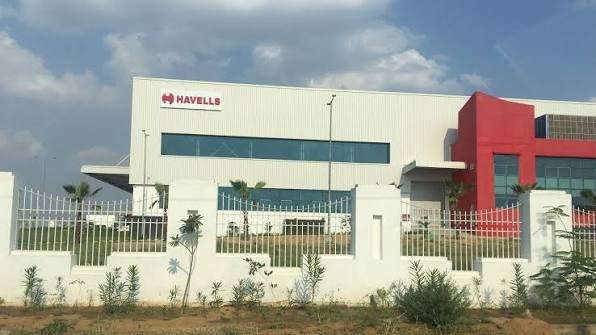
Ghiloth Industrial Area Overview
| Particular | Details |
| Location | Ghiloth, near Neemrana and Shahjahanpur, Rajasthan |
| District | Kotputli-Behror district |
| Industrial authority | RIICO |
| Area character | Planned manufacturing estate with general, ceramic and Japanese zones |
| Main highway | NH-48 or Delhi–Jaipur Highway |
| Nearby towns | Neemrana, Shahjahanpur, Behror and Bawal |
| Practical railway options | Bawal Railway Station and Rewari Junction |
| Direct metro service | Not available |
| Major airports | Indira Gandhi International Airport and Jaipur International Airport |
| Major industries | Ceramics, engineering, automotive, EVs, packaging and logistics |
| Suitable for | Medium and large factories, component units, warehouses and vendor businesses |
The current Kotputli-Behror district includes Neemrana tehsil and is crossed by NH-48. Bawal and Narnaul are among the practical railway options serving the wider district, while the international airports at Delhi and Jaipur support business travel.
Where Is Ghiloth Industrial Area Located?
Ghiloth Industrial Area is situated near Ghiloth village in the Neemrana region of north-eastern Rajasthan. It lies inland from the Shahjahanpur–Neemrana section of NH-48 and is part of the established Shahjahanpur–Neemrana–Behror industrial corridor.
The estate should not be confused with the original Japanese industrial zone located closer to Neemrana. Ghiloth has its own RIICO-developed industrial land, including general manufacturing plots, ceramic-industry plots and a second zone intended for Japanese investment.
Factory addresses may mention Ghiloth Industrial Area, RIICO Ghiloth, Ceramic Zone, Japanese Zone or a particular plot and sector. Visitors should obtain the complete plot number, sector, factory gate and live location before travelling. The name “Ghiloth Industrial Area” alone may not identify the correct unit.
Connectivity
1. Road Connectivity
NH-48 is Ghiloth’s main regional transport advantage. The highway connects the industrial belt with Neemrana, Behror, Bawal, Rewari, Manesar, Gurugram and Delhi towards the north. In the opposite direction, it provides access towards Kotputli, Jaipur, Ajmer and other parts of Rajasthan.
The location is useful for companies supplying automobile, engineering and consumer-product businesses in the National Capital Region. It also allows goods to move between Rajasthan, Haryana, Delhi and western India without passing through central city markets.
Businesses evaluating a factory should personally inspect:
- The correct highway exit
- Service-road entry
- Legal U-turn points
- Internal-road width
- Factory-gate size
- Trailer-turning space
- Truck parking and waiting areas
- Road condition during the monsoon
A property may appear close to NH-48 on a map but still require a longer journey because of median openings, service roads or restricted heavy-vehicle access.
2. Railway and Freight Connectivity
There is no passenger railway station inside Ghiloth Industrial Area. Bawal Railway Station is a practical option for selected passenger services, while Rewari Junction provides wider railway connectivity.
The wider district also has access to the inland container depot at Kathuwas. However, businesses planning rail-based freight should confirm container-handling availability, train routes, customs procedures and road transfer from the factory separately.
Most raw materials and finished products from Ghiloth are currently expected to move by road.
3. Metro and Local Transport
No Delhi Metro or Jaipur Metro line directly reaches Ghiloth. Employees generally depend on buses, shared vehicles, private transport or company-operated buses from Neemrana, Shahjahanpur, Behror and nearby villages.
Public transport is easier to find along NH-48 and around the main towns. Factories located deeper inside the industrial estate may require organised employee transport, particularly for early-morning, late-night or rotating shifts.
4. Airport Connectivity
Indira Gandhi International Airport in Delhi and Jaipur International Airport are the main airports serving the wider region. Delhi airport is generally convenient for companies dealing with Gurugram, Manesar or international business visitors, while Jaipur airport may suit businesses connected with central and southern Rajasthan.
Air travel is mainly useful for executives, technical specialists and urgent high-value components. Ceramics, machinery, vehicle parts and bulk industrial materials normally move by road.
Facilities in Ghiloth Industrial Area
1. RIICO Industrial Plots
Ghiloth contains RIICO-allotted industrial plots suitable for factory construction, manufacturing sheds, warehouses and supporting facilities. Properties may be located in the general zone, ceramic zone or Japanese industrial zone.
Before purchasing or leasing a property, businesses should verify:
- Original RIICO allotment documents
- Permitted industrial activity
- Transfer or subletting approval
- Approved building plan
- Outstanding RIICO dues
- Production and construction conditions
- Plot boundaries and road access
- Environmental permissions
A privately signed sale or rental agreement does not automatically replace approvals required under RIICO conditions.
2. Ceramic and Building-Material Zone
A designated ceramic zone is one of Ghiloth’s important features. It can support tile, sanitaryware, refractory, mineral-processing and other building-material businesses.
Ceramic production may require high electricity or fuel consumption, raw-material storage, dust-control equipment and suitable waste-management systems. Before starting production, a company should confirm whether the plot has the required power capacity, water availability, air-pollution consent and space for safe material handling.
3. Engineering and Automotive Ecosystem
Ghiloth’s proximity to Neemrana, Bawal and Manesar gives manufacturers access to an established automotive and engineering supply chain. Potential activities include metal fabrication, electrical components, vehicle parts, plastic moulding, machine assembly and industrial packaging.
A major recent development is RIICO’s allotment of 65.5 acres to PMI Electro Mobility for an electric-commercial-vehicle project. The proposed ₹1,200-crore facility is intended to manufacture electric buses, commercial vehicles, batteries, motors, wire harnesses and related components. The project was announced as an upcoming facility, so its current production and recruitment status should be checked before visiting.
4. Electricity, Water and Drainage
Industrial electricity infrastructure is available, but sanctioned load and transformer capacity can differ between plots. Ceramic kilns, CNC machinery, compressors, furnaces, moulding machines and automated production lines may require upgraded connections.
Water requirements should also be assessed carefully. Companies must confirm supply quantity, storage arrangements, authorised borewell use, rainwater harvesting and wastewater disposal.
Internal roads, stormwater drainage, streetlights and waste collection should be inspected at the exact sector level. RIICO has acknowledged that industrial estates in the Neemrana region require continuing attention to roads, drainage, lighting, waste management and green cover.
5. Fire and Environmental Safety
Factories storing chemicals, packaging materials, plastic products, fuel, paint or combustible goods require proper fire-protection systems.
A suitable industrial building should have:
- Emergency exits
- Fire-tender access
- Hydrants and extinguishers
- Safe electrical wiring
- Ventilation
- Chemical-storage controls
- Clear internal aisles
- Authorised waste disposal
Pollution-control requirements depend on the manufacturing process rather than the industrial-area name alone.
Major Industries
Ghiloth Industrial Area can support:
- Ceramic products and building materials
- Electric vehicles and automotive components
- Engineering and metal fabrication
- Electrical and electronic equipment
- Plastic and polymer products
- Industrial packaging
- Machinery assembly and repair
- Warehousing and logistics
- Consumer-product manufacturing
- Japanese-invested manufacturing projects
Company and Business List
A permanently complete public directory of every operating company is not available. Plot allotments, construction status, tenants and company names can change.
| Company or Business Category | Main Activity |
| PMI Electro Mobility | Proposed electric buses, commercial vehicles and EV components |
| Japanese industrial projects | Automotive, electrical and precision manufacturing |
| Ceramic manufacturers | Tiles, sanitary products and building materials |
| Engineering units | Fabrication, machinery and industrial parts |
| Automotive vendors | Vehicle components, wiring and moulded parts |
| Packaging businesses | Cartons, labels and protective packaging |
| Warehouse operators | Industrial storage and regional distribution |
| Logistics companies | Road freight and supply-chain services |
PMI Electro Mobility should be treated as an allotted upcoming project rather than an automatically operational factory. The present operating status of every company must be verified through its official contact details before applying for employment or arranging a business visit.
Why Businesses Choose Ghiloth Industrial Area
Ghiloth offers planned RIICO industrial land close to the Delhi–Jaipur industrial corridor. It provides access to the manufacturing ecosystems of Neemrana, Bawal, Manesar, Gurugram and Delhi while retaining a Rajasthan industrial address.
Its dedicated ceramic and Japanese zones make it suitable for sector-focused investment. The availability of comparatively large industrial plots can also benefit companies that find limited expansion space in the older Neemrana estates.
The main issues to assess are last-mile employee transport, absence of direct metro and railway access, utility capacity, environmental approvals and the actual development status of each plot.
Frequently Asked Questions
Q1. Is Ghiloth Industrial Area the same as Neemrana Industrial Area?
A: No. Both belong to the same wider industrial corridor, but Ghiloth is a separate RIICO-developed estate. The second Japanese industrial zone was developed at Ghiloth after the original Neemrana zone became increasingly occupied.
Q2. Has the PMI electric-vehicle factory started production?
A: The publicly reported development was a land allotment for an upcoming manufacturing project. Job seekers, suppliers and transporters should confirm the latest construction and production status directly with the company.
Q3. Where can business visitors find hotels and restaurants?
A: Neemrana and Behror provide more accommodation, restaurants and business-travel facilities than the internal industrial roads. Visitors should choose a hotel only after checking the distance from the exact factory gate.
Q4. Is daily commuting from Delhi convenient?
A: Daily travel from Delhi can be lengthy. Staying near Neemrana, Behror, Bawal or Shahjahanpur is generally more practical for regular factory work. Some employers arrange staff buses from nearby residential centres.
Q5. How can job applicants avoid visiting the wrong factory?
A: Applicants should confirm the company’s legal name, plot number, zone, recruiter’s official email address and factory gate location. Money should not be paid merely for an interview, registration, uniform or job confirmation.