 By Saksham Arora
 As morning light reaches the northern edge of Delhi, the wide factory lanes of Narela begin to stir. Trucks reverse towards loading bays, machines start humming behind metal shutters, and workers stream into units producing everything from food products and footwear to cables, plastics and engineering components.
This is DSIDC Industrial Area, Narela, one of Delhi’s largest planned manufacturing clusters. Located close to the Delhi–Haryana border, the estate gives businesses an industrial address within the capital while keeping them connected to NH-44, Narela Railway Station, northern NCR markets and major logistics routes.
The name DSIDC continues to appear on factory boards, property papers and company addresses. However, the managing organisation is now officially known as the Delhi State Industrial and Infrastructure Development Corporation, or DSIIDC. The industrial estate is also referred to as Narela Industrial Complex, DSIIDC Narela Industrial Area and Narela Industrial Park.
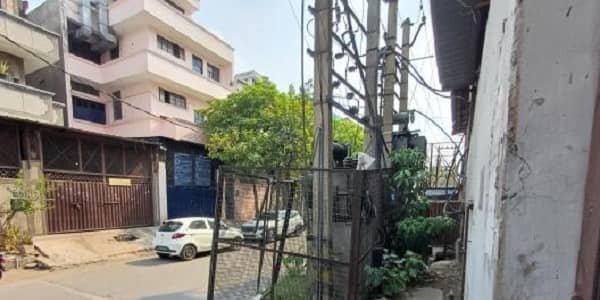
DSIDC Industrial Area Overview
| Particular | Details |
| Official name | Narela Industrial Complex |
| Common name | DSIDC Industrial Area, Narela |
| Location | Narela, North Delhi |
| PIN code | 110040 |
| Developing agency | Delhi State Industrial and Infrastructure Development Corporation |
| Approximate development area | 612 acres |
| Plots developed in the first phase | Around 1,800 |
| Nearest operational metro stations | Samaypur Badli and Rithala |
| Nearest railway station | Narela Railway Station |
| Important road connection | NH-44 or GT Karnal Road |
| Nearby areas | Narela town, Alipur, Tikri Khurd, Singhu, Kundli and Bawana |
| Major industries | Plastics, food processing, footwear, cables, metal products and packaging |
Where Is DSIDC Industrial Area Located?
DSIDC Industrial Area is situated in Narela in the northern part of Delhi. It lies near Shahpur Garhi, Tikri Khurd, Narela town and the Delhi–Haryana border. Kundli and Sonipat are located further north, while Alipur, Bawana and Holambi Kalan are among the important surrounding industrial and residential areas.
The industrial complex is separate from central Narela’s residential colonies and traditional commercial market. It occupies a large planned zone made up of several blocks, long plot-number sequences, internal roads and industrial service areas.
DSIIDC was declared a land-development agency in 1978 for the development of approximately 612 acres at Narela. The first phase included around 1,800 industrial plots. The complex was planned with green spaces, shopping facilities, parking areas and environmental infrastructure.
Because of the estate’s size, visitors should not depend only on the locality name. A complete address should include the block letter, plot number, DSIDC or DSIIDC Industrial Area, Narela, Delhi and PIN code 110040.
Connectivity
1. Road Connectivity
Road transport is the backbone of DSIDC Narela. The industrial estate is positioned close to the wider GT Karnal Road and NH-44 corridor, one of northern Delhi’s most important commercial routes.
NH-44 connects the region with Alipur, Singhu Border, Kundli, Sonipat and Panipat. In the Delhi direction, it provides access towards Mukarba Chowk, Jahangirpuri, Azadpur and the Inner Ring Road network.
Local roads connect the estate with Narela town, Bawana, Auchandi, Holambi Kalan and Alipur. These routes make the area useful for companies distributing goods across Delhi, Haryana, Punjab, Chandigarh and other parts of northern India.
The industrial estate also benefits from its position close to the Integrated Freight Complex and wholesale activity around Narela. However, journey times can rise during factory shift changes, market hours and periods of heavy truck movement.
2. Metro Connectivity
There is currently no operational Delhi Metro station inside DSIDC Industrial Area. Samaypur Badli Metro Station on the Yellow Line is one of the main access points for passengers arriving from central and south Delhi.
Rithala Metro Station on the Red Line is another practical option, particularly for commuters travelling from Rohini, Pitampura, Netaji Subhash Place and north-west Delhi. From either station, passengers must continue by bus, taxi, shared vehicle or employer-provided transport.
The Rithala–Narela–Nathupur extension is included in Delhi Metro’s Phase IV plans. DMRC procurement activity for trains on this corridor was underway in 2026, which confirms that the proposed line is a future connection rather than an operational service at present.
Once completed, the extension is expected to improve direct metro access to Narela, its industrial zones and neighbouring Haryana.
3. Bus and Local Transport
DTC and cluster buses connect Narela with several parts of Delhi. Services operate towards areas such as Azadpur, Jahangirpuri, Bawana, Rohini and central Delhi, though individual routes and schedules may change.
E-rickshaws, shared autos and private vans are commonly used between Narela town, the railway station, major bus stops and different industrial blocks. Many factories also arrange vehicles for workers, especially when shifts begin early in the morning or finish late at night.
Public transport is easier to find along major roads. Units located deep inside the complex may require an additional last-mile journey.
4. Railway Connectivity
Narela Railway Station is the nearest important railway facility. It lies on the busy Delhi–Ambala railway corridor and is served by selected passenger, suburban and regional trains.
The station is useful for workers commuting from nearby towns and settlements along the northern railway route. For major long-distance services, businesses and passengers may still prefer New Delhi, Old Delhi, Sabzi Mandi or Anand Vihar railway stations, depending on the train.
5. Airport Connectivity
Indira Gandhi International Airport is located on the opposite side of Delhi and is not considered close to Narela. Road travel generally passes through Rohini, Outer Ring Road and western Delhi.
Businesses handling urgent air cargo must allow sufficient time for city traffic. DSIDC Narela is better positioned for road-based freight and northern regional distribution than for regular airport-led logistics.
Facilities in DSIDC Industrial Area
1. Planned Industrial Plots
The complex has a structured block-and-plot layout. Properties include independent factories, compact industrial units, multi-floor buildings, workshops, warehouses and premises combining production with office space.
The range of plot sizes supports small manufacturers as well as medium-scale enterprises. Many units have ground-floor production or storage areas with administrative sections on upper floors.
2. Internal Roads and Parking
The planned estate includes internal roads for industrial movement, parking areas and loading access. Wider roads are suitable for commercial vehicles, while conditions may be tighter around heavily occupied units or during loading hours.
Idle-parking areas were part of the original complex plan, helping separate parked commercial vehicles from active production zones.
3. Water, Electricity and Drainage
Industrial electricity connections are available for factories operating machinery and production equipment. The required sanctioned load depends on the manufacturing activity and installed machinery.
Water supply, drainage and wastewater arrangements form part of the estate’s industrial infrastructure. Units using water for processing, washing, cooling or chemical treatment may require additional approvals and treatment arrangements.
4. Common Effluent Treatment
Narela Industrial Complex was designed with a Common Effluent Treatment Plant, or CETP. This is particularly relevant for industries generating trade effluent through manufacturing, cleaning, chemical processing or surface-treatment activities.
Individual businesses must still follow the applicable Delhi Pollution Control Committee requirements. The existence of common infrastructure does not remove a unit’s responsibility to obtain consent and manage its waste correctly.
5. Commercial and Worker Facilities
Small restaurants, tea stalls, general stores, repair workshops, transport offices and packaging suppliers operate within and around the estate. Narela town provides wider access to banks, ATMs, markets, schools, clinics, hospitals and residential accommodation.
The area’s industrial ecosystem also includes machinery technicians, mould makers, electricians, metal fabricators, loading contractors and transport operators. These supporting services are valuable for factories requiring quick repairs or routine supplies.
Major Industries in DSIDC Narela
DSIDC Narela supports a diverse manufacturing base rather than depending on a single industry. Plastics and polymer products have a visible presence, including moulded goods, packaging materials, masterbatches and processed plastic items.
Food processing is another important segment, with businesses connected to flour, pulses, packaged foods and related products. The estate also accommodates footwear manufacturers, wire and cable companies, metal-product businesses, battery units, printing-related enterprises and light-engineering workshops.
DPCC and corporate-address records show industrial activities involving plastics, light engineering, footwear, food products and electrical goods across different blocks of the estate.
Company List in DSIDC Industrial Area
The following is a representative company list based on public corporate and regulatory records. Some premises may function as registered offices, warehouses or production units, so the present operating status should be confirmed directly.
| Company | Broad Business Segment |
| Sourcewell Flours Private Limited | Flour and food processing |
| Deep Food Products Private Limited | Packaged and processed food products |
| Vikas Pulses Private Limited | Pulses and food processing |
| Somani Polyplast India Private Limited | Plastic products |
| Surya Masterbatches Private Limited | Polymer compounds and masterbatches |
| A.R.V. Footwear Private Limited | Footwear products |
| Rukmani Wires Private Limited | Wire and metal products |
| ATC Cables Private Limited | Electrical cables |
| Citizen Ispat Private Limited | Steel and metal products |
| R.R. Batteries Private Limited | Battery products |
Public company-address records connect these businesses with plots in DSIDC or DSIIDC Narela Industrial Area. Corporate records also show companies involved in inks, packaging, cosmetics, engineering and electrical products at Narela addresses.
Why Businesses Choose DSIDC Narela
The estate’s main advantage is its planned industrial character. Companies receive access to organised plots, industrial roads, environmental infrastructure and a recognised manufacturing address within Delhi.
Its location near NH-44 is valuable for businesses moving goods towards Haryana and other northern states. The concentration of manufacturers also creates a dependable network of transporters, suppliers, technicians and skilled or semi-skilled workers.
Compared with centrally located industrial areas, Narela can offer more practical space for manufacturing, storage and vehicle movement. Its main weakness is the absence of direct operational metro connectivity, although the approved Metro extension is expected to improve access in the future.
Frequently Asked Questions
Q1. Is DSIDC Narela the same as Bawana Industrial Area?
A: No. They are two separate industrial estates. DSIDC Narela uses PIN code 110040, while DSIIDC Bawana generally uses PIN code 110039.
Q2. Why are both DSIDC and DSIIDC used in addresses?
A: DSIDC is the older name and remains common on factory boards and property records. DSIIDC is the current official abbreviation after infrastructure development was added to the corporation’s responsibilities.
Q3. Are all businesses registered here operating factories?
A: Not necessarily. A listed address may be a factory, office, godown or registered corporate address. The actual activity should be confirmed with the business concerned.
Q4. Is the proposed Narela Metro already open?
A: No. The Rithala–Narela–Nathupur corridor is a Phase IV project and was still under development and procurement activity in 2026.
Q5. Why is the exact plot number important when visiting?
A: The industrial estate covers hundreds of acres and contains long sequences of numbered plots across several blocks. The company name or locality alone may not be enough for a driver to locate a particular unit.