 By Saksham Arora
 Beyond Sonipat city, the Delhi–Chandigarh highway passes through a growing belt of factories, textile-processing units and warehouses. Employee buses enter organised industrial roads, while trucks carry fabric, chemicals, packaging materials and finished garments towards Delhi, Panipat and other northern markets.
This is Barhi Industrial Area, an HSIIDC-developed estate near Ganaur in Sonipat district. The locality is particularly associated with textile processing and apparel manufacturing, although engineering, packaging, plastics and general manufacturing businesses are also present.
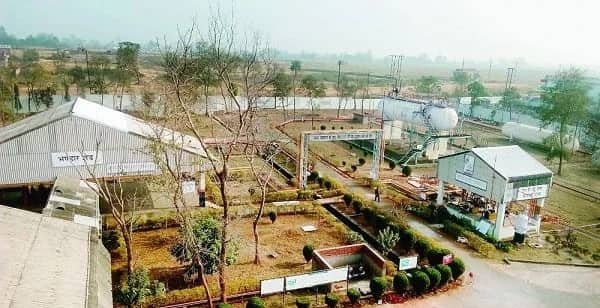
Barhi Industrial Area Overview
| Particular | Details |
| Location | Barhi, near Ganaur, Sonipat district |
| Common PIN code | 131101 |
| Industrial authority | HSIIDC |
| Main road connection | NH 44 or Delhi–Chandigarh Highway |
| Nearest railway station | Ganaur Railway Station |
| Direct metro service | Not available |
| Nearby areas | Ganaur, Samalkha, Murthal, Sonipat and Panipat |
| Special industrial cluster | Apparel Park |
| Common industries | Textiles, dyeing, garments, packaging, plastics and engineering |
| Best suited for | Apparel production, textile processing, MSMEs and road-based distribution |
Barhi forms part of Sonipat’s wider network of HSIIDC industrial estates, which also includes Kundli, Rai, Murthal and Sonipat city. The nearby Ganaur area commonly uses PIN code 131101.
Where Is Barhi Industrial Area Located?
Barhi Industrial Area is situated near Ganaur in the northern part of Sonipat district. It lies along the broader NH 44 industrial corridor between Sonipat and Panipat.
The estate should not be confused with Barhi in Jharkhand or Madhya Pradesh. Industrial addresses usually mention Barhi, Ganaur or HSIIDC Industrial Estate together with a phase, plot number or nearby landmark.
Its position gives factories access to Sonipat, Panipat, Kundli and Delhi in one direction and Karnal, Ambala and Chandigarh in the other. Barhi also contains a specialised Apparel Park developed for garment and textile-related businesses.
Connectivity
1. Road Connectivity
NH 44 is the most important regional road near Barhi. It connects the industrial area with Sonipat, Kundli and Delhi towards the south and Panipat, Karnal and Chandigarh towards the north.
Local roads connect the estate with Ganaur town and surrounding villages. Trucks and employee buses can reach most parts of the industrial area, although the condition and width of internal approaches may differ between individual plots.
Barhi is particularly useful for businesses distributing goods across Delhi, Haryana, Punjab and other northern markets. However, traffic can become slow on NH 44 near town junctions, toll points and busy highway crossings.
2. Railway Connectivity
Ganaur Railway Station is the nearest practical passenger rail point for many parts of Barhi Industrial Area. It lies on the Delhi–Ambala railway corridor and provides connections towards Delhi, Sonipat, Panipat and other nearby cities.
Sonipat Junction offers a wider selection of regional and long-distance trains. It is served by the Delhi–Kalka line and also connects with the Sonipat–Jind route.
3. Metro and Airport Access
Barhi does not have a direct metro connection. Employees travelling from Delhi normally depend on trains, buses, cabs or company-operated transport.
IGI Airport is located across Delhi and is not a nearby facility. The area is therefore more practical for highway-based goods movement than for businesses requiring frequent urgent air cargo.
Facilities in Barhi Industrial Area
1. Industrial Space and Warehousing
Barhi offers industrial plots, independent factories, production sheds and warehouses. The Apparel Park supports garment-making, textile finishing and related manufacturing activities.
Typical businesses include:
- Fabric dyeing and processing
- Garment and apparel manufacturing
- Home-textile production
- Printing and finishing
- Packaging materials
- Plastic products
- Machinery and engineering services
- Storage and regional distribution
The estate has a strong textile-processing presence. A 2025 regulatory inspection covered 74 textile units and 39 businesses from other industrial categories, showing the scale of processing activity within the cluster.
2. Business Support Services
Transporters, textile-material suppliers, machinery-repair workshops, labour contractors and packaging businesses operate in and around Barhi.
Banks, ATMs, fuel stations, restaurants, pharmacies and everyday shopping facilities are available towards Ganaur and along the highway. Larger hospitals, hotels and organised markets are more widely available in Sonipat and Panipat.
3. Utilities and Employee Needs
HSIIDC-developed estates generally include internal roads, water infrastructure, electricity distribution and effluent-handling arrangements. Actual conditions can still differ between plots and industrial phases.
Barhi has common effluent-treatment infrastructure because many factories generate textile wastewater. During 2025, environmental regulators reported serious compliance and performance concerns involving industrial units and treatment facilities. Businesses producing wastewater must therefore maintain functional primary treatment systems and comply with Haryana pollution-control conditions.
Worker accommodation is available around Ganaur, Barhi and nearby settlements. Larger factories may need dedicated transport for employees working late or rotating shifts.
Company List in Barhi Industrial Area
Barhi is dominated by textile processors, garment businesses and independent MSMEs. Private company names and tenancy can change, so the following is a representative business list rather than a permanent directory.
| Company or Unit Type | Business Segment |
| Apparel Park units | Garment stitching, finishing and export production |
| Textile-processing units | Dyeing, washing, bleaching and fabric finishing |
| Home-textile manufacturers | Furnishing fabrics and household textile products |
| Printing units | Fabric printing, labels and commercial printing |
| Packaging businesses | Cartons, pouches and protective packaging |
| Plastic-product units | Moulded and industrial plastic products |
| Engineering workshops | Fabrication, machine parts and equipment repair |
| Chemical suppliers | Textile dyes and processing chemicals |
| Warehouse operators | Raw-material and finished-goods storage |
| Transport companies | Industrial freight and regional delivery |
Operating status, pollution permissions, GST details and exact addresses should be confirmed directly before visiting or placing a commercial order.
Why Businesses Choose Barhi
Barhi’s main advantage is its specialised textile and apparel ecosystem. Garment manufacturers can operate close to dyeing, printing, finishing, packaging and transport services.
Its position near NH 44 also supports goods movement between Delhi, Sonipat, Panipat and other northern industrial cities. Railway access through Ganaur helps employees and visitors travelling from nearby towns.
The area is especially suitable for textiles, garments, packaging and light manufacturing. Companies requiring airport proximity, premium corporate offices or direct metro access may find other locations more convenient.
Frequently Asked Questions
Q1. Can a garment exporter operate from the Barhi Apparel Park?
A: Yes, subject to the plot’s permitted use and the required factory, fire, labour and export-related registrations. Buyers may also require quality, safety and social-compliance audits.
Q2. Must a textile unit install its own treatment system?
A: A unit generating trade effluent generally needs a functional primary effluent-treatment system before wastewater enters the common treatment network. Requirements depend on the process and pollution category.
Q3. Can groundwater be used for industrial production?
A: Groundwater extraction is regulated. Industries should confirm that a valid permission exists rather than relying on an old borewell or a landlord’s assurance. Regulators have examined unauthorised groundwater use in Barhi.
Q4. Is Barhi suitable for a large garment warehouse?
A: Yes, provided the building has sufficient loading space, fire protection, ventilation and commercial-vehicle access. The complete truck route should be inspected before leasing.
Q5. Can workers commute daily from Panipat or Sonipat?
A: Yes. Barhi’s highway and railway location allows daily travel from both sides. Company buses may still be necessary for factories located deep inside the estate or operating night shifts.